
Edmonton, Alberta
Web Design in Edmonton, Alberta
A better website starts here. Connect with a web design contractor who can help turn your business website into a useful tool for attracting customers.
Your website is often the first thing a potential customer sees before deciding whether to contact your business. It should make a good impression, explain what you offer and make it easy for people to take the next step.
Whether you operate a small business in Old Strathcona, a contracting company in Northwest Edmonton or a growing retail business near South Edmonton Common, having a professional website can help customers understand why they should choose you.
Edmonton Web Design makes it easier to connect with an independent contractor for custom website design, website redesign, hosting and ongoing maintenance. You can start with a simple request explaining what your business needs. You do not need to understand coding, website platforms or technical terms before getting started.
Every business has different goals. Some need more phone calls. Others want customers to book appointments, request estimates or learn about their products. A useful website should be built around those goals instead of simply looking attractive.
From the first page a visitor sees to the final contact form, each part of your website should have a purpose. The contractor can discuss your business, identify the features you need and recommend an approach that fits your requirements.
Finding someone to build a website can be confusing. There are different platforms, design styles, hosting options and technical requirements to consider. We believe getting started should be straightforward.
Edmonton Web Design is a referral service. We receive your request and pass it to an independent local contractor, who contacts you directly, provides the estimate and performs the work. We do not build or maintain websites ourselves.
Our purpose is to help businesses take the first step toward a better online presence without having to figure everything out alone. You can tell us what you need, whether that is a completely new website or improvements to an existing one.
The contractor can help you understand your options before you decide how to proceed. You should have an opportunity to discuss the project scope, expected timeline, website ownership and ongoing responsibilities before agreeing to any work.
More about us
Explore website services designed around the needs of businesses throughout Edmonton and the surrounding communities. From launching your first website to improving an established online presence, start by choosing the service that best describes your needs.
Explore hosting, software updates, backups and ongoing website support to help keep your online presence running properly.
Learn more →Replace an outdated or difficult-to-use website with a modern design focused on mobile usability, clear information and customer enquiries.
Learn more →Start with a professional website that reflects your business, explains your services and gives customers a clear way to contact you.
Learn more →Businesses throughout the Edmonton metropolitan region can submit requests for website services. Whether your company operates near Anthony Henday Drive, serves customers across several municipalities or focuses on a single community, explain your service coverage when submitting your project details.
See all service areas
Give potential customers a clear understanding of your business through professional visuals, readable content and consistent branding.
Help visitors navigate your website comfortably whether they are using a phone, tablet or desktop computer.
Provide clear contact options, estimate request forms and straightforward next steps throughout the website.
Establish a sensible page structure, descriptive headings and useful content that search engines can understand.
A successful website begins with understanding the business behind it. Before choosing colours, fonts or page layouts, the contractor needs to know what your company offers, who your customers are and what you want visitors to do when they arrive. A business that relies on estimate requests will need a different approach from one that accepts online appointments or sells products.
The next stage is planning the website structure. Most business websites benefit from a homepage, individual service pages, an About page and a contact page. Additional sections may include frequently asked questions, project galleries or information about the communities you serve. The contractor can recommend which pages are useful based on your business model rather than adding pages simply to make the website larger.
Once the structure is established, the design stage can begin. This involves arranging content, selecting visual elements and creating a consistent appearance across the website. Existing branding, photographs and logos can help establish the direction. If your business does not have these materials, discuss what needs to be supplied or created before development begins.
Development turns the approved design into a functioning website. Navigation, forms, mobile layouts and other features should be tested before launch. It is also important to check that business details are accurate and that customers can complete important actions without unnecessary steps.
Before publishing, review the website carefully. Read the content, test the links and confirm that you understand how future changes will be handled. A clear approval process helps reduce confusion and gives you an opportunity to identify anything that needs adjustment.
Launching a website is not necessarily the end of the project. Hosting, software updates and future content changes may require ongoing attention. Discuss these responsibilities with the contractor so you know what happens after your new website becomes available to customers.

A website does not need to be particularly old to become ineffective. Changes in your services, customer expectations or business goals can make an existing website less useful than it once was. One of the clearest signs that improvements are needed is when customers regularly contact you to ask questions that your website should already answer.
Mobile usability is another important consideration. Someone looking for a local business while travelling through Edmonton may be using a phone rather than sitting at a computer. If text is difficult to read, buttons are too small or visitors must zoom in to navigate your pages, they may leave before learning what you offer.
Slow loading can create similar problems. Large photographs, unnecessary animations and outdated software can make a website frustrating to use. A contractor can examine the existing setup and determine whether performance improvements are practical or whether rebuilding would be more appropriate.
Consider whether your website accurately represents your current business. You may have expanded into new services, changed your branding or started serving additional communities. Old photographs, incorrect operating hours and outdated descriptions can create confusion. Even a visually appealing website becomes less valuable when the information is no longer accurate.
Another warning sign is the absence of a clear next step. Visitors should not have to search several pages to find out how to request an estimate or make an appointment. Important contact options should be easy to locate without overwhelming the page.
Finally, think about how easily your website can be maintained. If making a simple text change requires a complicated process or access you no longer have, it may be time to discuss a more manageable setup. A website redesign should address practical business problems, not just replace colours and photographs. Identifying those problems before requesting an estimate helps the contractor recommend improvements that have a clear purpose.
Website projects vary considerably because businesses have different requirements. A straightforward informational website is different from a website that includes online booking, customer accounts, product catalogues or connections to other business software. Understanding these differences can help you prepare for a useful conversation with a contractor.
The number and complexity of pages are important factors. A business offering several distinct services may benefit from individual pages that explain each service in detail. These pages require planning, writing, design and development. A smaller business with a narrow range of services may need a simpler structure.
Content preparation also affects the amount of work involved. Providing accurate service descriptions, existing branding and suitable photographs can make the process more straightforward. When these materials need to be created, rewritten or sourced, they become additional parts of the project. Ask who will be responsible for preparing the content and approving its accuracy.
Custom functionality can introduce further requirements. Appointment systems, payment processing, membership areas and third-party integrations need to be configured and tested. Some features may also depend on external software subscriptions or service providers. It is useful to separate essential functionality from features that could be added later.
Existing websites can create additional considerations. Moving a domain, transferring content, preserving important page addresses and managing existing email services require careful planning. The contractor may need access to several accounts before determining the best approach.
Ongoing responsibilities should also be discussed. Hosting, backups, security updates and content changes are different from the initial website build. Make sure you understand which responsibilities are included in the proposed arrangement and which are handled separately.
When comparing estimates, look beyond the total amount. Review the pages, features, content responsibilities, ownership terms and post-launch support described in each proposal. A clear understanding of the scope makes it easier to compare options and avoid unexpected requirements during the project.

Edmonton businesses serve customers across a large and varied metropolitan area. Someone searching for a contractor in Mill Woods may have different location requirements from a business customer looking for an industrial supplier near Yellowhead Trail. Your website should explain where your business operates and make it easy for visitors to determine whether your services are available to them.
For businesses with physical locations, practical information is particularly valuable. Customers may want to know where to park, how to reach the entrance or whether appointments are required. Accurate directions and operating hours can help visitors plan their trip. Businesses that travel to customers should instead explain their service coverage and any relevant scheduling arrangements.
Seasonal conditions can influence what customers look for throughout the year. Edmonton winters create demand for heating, snow removal and indoor services, while warmer months often bring increased interest in landscaping, construction and exterior property improvements. A website that is easy to update allows businesses to keep their information relevant as demand changes.
Local photographs can also make a website more useful. Images of completed projects, actual products or recognizable business locations can help visitors understand what a company offers. Photographs should be relevant and accurate rather than creating a misleading impression about the business or its experience.
Search visibility depends partly on how clearly a website communicates its subject. Descriptive service pages, useful answers to customer questions and accurate location information can help search engines interpret the content. Repeating Edmonton throughout every paragraph is not a substitute for providing information that people genuinely need.
A well-planned local website should also be consistent with the business information published elsewhere online. Business names, contact details and service descriptions should not contradict established listings. These details contribute to a more coherent online presence and help customers feel confident that they have found the right company.
Choosing someone to build your website involves more than deciding whether you like their previous designs. You are also choosing how your business information will be presented, how your website will function and how it will be managed after launch. Asking practical questions early can help you make a more informed decision.
Start by discussing the purpose of the website. Explain what you want customers to do and what problems you are experiencing with your current online presence. The contractor should be able to describe how the proposed website addresses those requirements in language you understand.
Ask to see relevant examples of completed work when available. Look at how those websites function on a phone, whether their navigation is straightforward and how easily you can find important information. Visual style matters, but a website also needs to be practical for the people using it.
Clarify what is included in the proposed project. Find out who writes the content, supplies photographs, sets up contact forms and handles technical configuration. Discuss how revisions work and what happens if you request additional features after the original scope has been agreed upon.
Website ownership deserves particular attention. Understand who controls the domain registration, hosting account, website files and any software subscriptions. If you decide to change providers later, you should know what can be transferred and whether any restrictions apply.
It is equally important to discuss maintenance. Websites can require software updates, backups and occasional troubleshooting. Ask how these tasks are handled and who you should contact when something stops working. Do not assume ongoing support is automatically included in a website development agreement.
Before accepting an estimate, review the proposed deliverables and responsibilities in writing. Make sure the expected timeline, approval process and launch requirements are clear. A productive working relationship starts with both parties understanding what is being provided and what is expected from them.

A professional appearance alone does not guarantee that customers will discover your website through Google. Search visibility depends on several factors, including the usefulness of your content, the competition in your market and the technical condition of your website. Design and search engine optimization are related, but they serve different purposes.
A search-friendly website begins with a clear structure. Each important service should have an appropriate page when there is enough useful information to justify one. Descriptive page titles and headings help visitors understand the subject of each page while giving search engines context about the content.
Internal links are another useful feature. Someone reading about website redesign should be able to navigate naturally to information about hosting or maintenance when those topics are relevant. For other businesses, this might mean connecting related repair services, product categories or frequently asked questions.
Technical considerations include mobile usability, accessible navigation, page loading performance and whether search engines can discover the website's pages. A contractor can discuss these elements during the development process. Ask which technical SEO tasks are included rather than assuming that every aspect of search optimization is covered.
Useful content is especially important for local businesses. A service page should explain what the service involves, when someone might need it and how they can get started. Location information should reflect genuine service coverage. Creating many nearly identical pages with different city names provides little additional value to customers and can create problems with search engine guidelines.
Search performance also requires realistic expectations. A new website may take time to be discovered and evaluated. Competition, existing business reputation and ongoing content improvements can influence results. No website design can guarantee a particular Google ranking.
If attracting customers through organic search is one of your main goals, discuss that objective before development begins. Planning the website around useful information and sensible technical practices is easier than trying to correct a poorly organized structure after launch.
Edmonton Web Design does not do the web design work itself. When you call or send the form, we pass your request to an independent local contractor who covers your part of Edmonton. That contractor contacts you, gives you the estimate and does the work.
See what happens after you call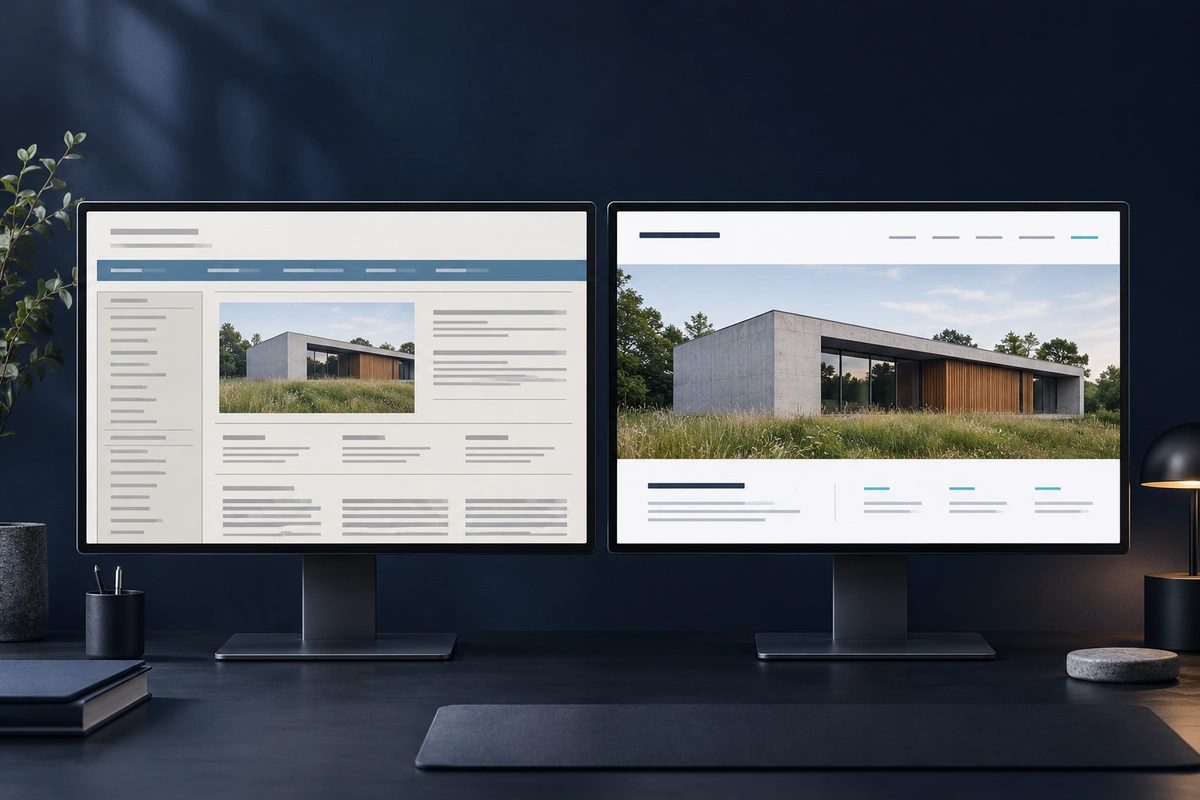
Tell us about your business and what you would like your website to accomplish. Whether you are starting from scratch or replacing an existing website, your request is the first step toward discussing the right solution with an independent contractor.
Free — no obligations